Osteoporosis Symptoms: Causes, Risk Factors and Prevention
Osteoporosis is a condition that weakens bones and makes them more likely to break. Many people do not notice any symptoms until a fracture occurs. As a result, bone health problems can remain undetected for years.
Understanding osteoporosis symptoms, risk factors and prevention can help you take better care of your bones. In this guide, learn how osteoporosis develops, when to consider a bone density test and which habits may help reduce your risk of fractures.
What Is Osteoporosis?
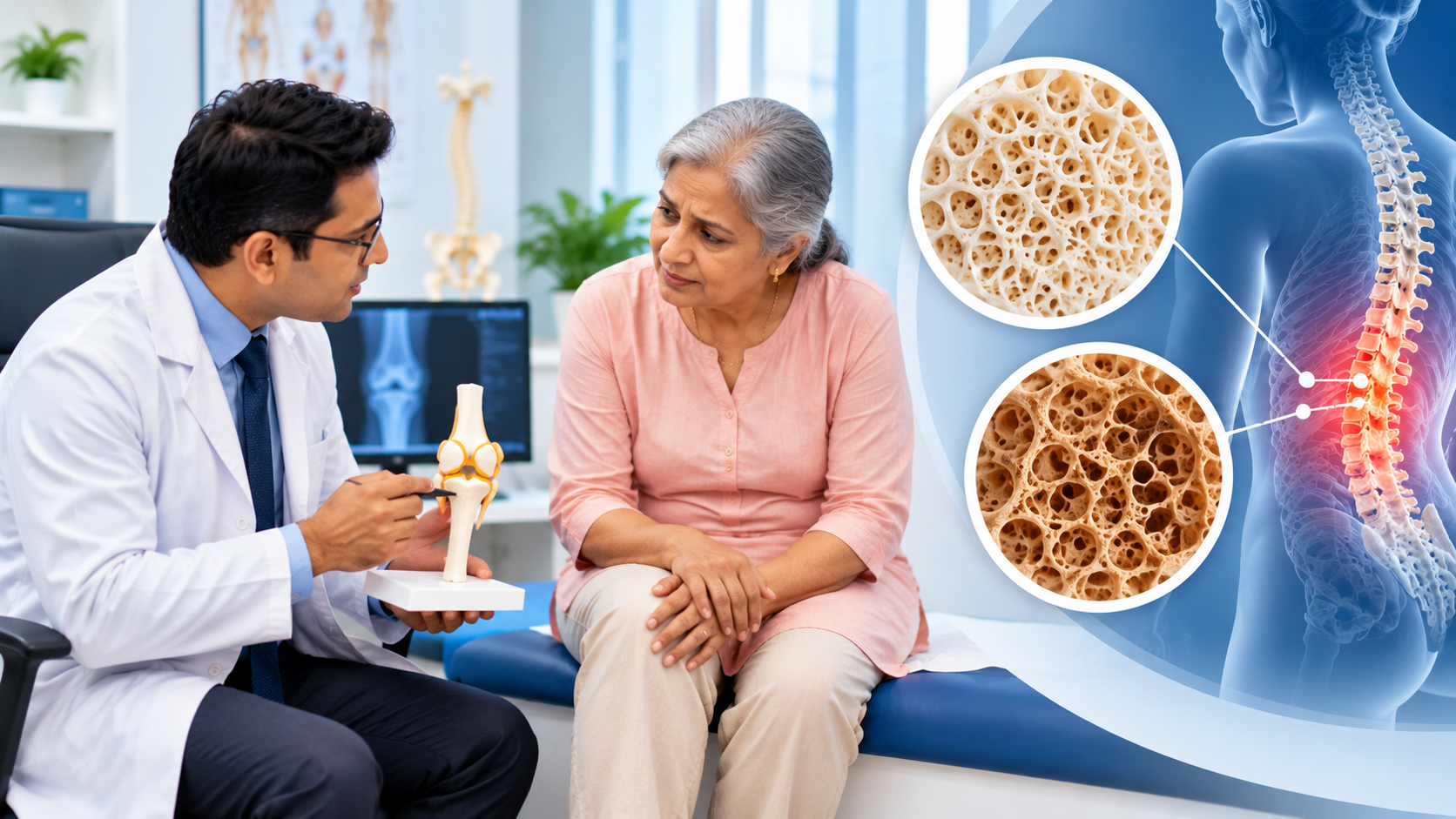
Osteoporosis develops when bone density and bone strength decrease. Consequently, bones become more fragile and may break more easily than healthy bones.
Bone tissue naturally changes throughout life. However, when bone loss becomes excessive, the risk of fractures increases.
Osteoporosis can affect both women and men. The risk generally increases with age, particularly after menopause in women.
The condition most commonly affects the hip, spine and wrist. Nevertheless, fractures can occur in other bones as well.
What Are the Common Symptoms of Osteoporosis?
Osteoporosis is often called a silent disease because it usually causes no noticeable symptoms in its early stages.
Many people discover they have osteoporosis only after a minor fall or everyday movement causes a fracture.
Possible warning signs of an osteoporosis-related fracture or spinal bone weakness include:
- A fracture after a relatively minor fall
- Persistent or sudden severe back pain
- Gradual loss of height
- A stooped or hunched posture
- Repeated fractures or a history of fragile bones
These signs do not automatically confirm osteoporosis. Back pain, for example, can have many different causes.
If you develop sudden severe back pain after a minor injury, or you experience a suspected fracture, seek prompt medical assessment.
What Causes Osteoporosis?
Several factors can contribute to reduced bone density. Some cannot be changed, while others may be influenced by lifestyle or medical care.
1. Ageing
Bone density changes as people age. In some individuals, bone loss gradually becomes greater than bone formation, increasing the risk of osteoporosis.
2. Menopause
Oestrogen helps maintain bone strength. After menopause, lower oestrogen levels can accelerate bone loss and increase the risk of osteoporosis.
3. Family History
A family history of osteoporosis or fragility fractures may increase your risk. However, family history alone does not determine whether you will develop the condition.
4. Low Calcium and Vitamin D Intake
Calcium supports bone structure, while vitamin D helps the body absorb calcium. Inadequate intake can contribute to poor bone health.
A balanced diet is important. If you have dietary restrictions or suspected deficiencies, ask a healthcare professional whether testing or supplementation is appropriate.
5. Physical Inactivity
Bones respond to physical activity. Regular weight-bearing and resistance exercises can help support bone and muscle health.
Conversely, prolonged inactivity may contribute to bone loss and reduced strength.
6. Certain Medical Conditions and Medicines
Some hormonal disorders, inflammatory diseases and other medical conditions can increase the risk of osteoporosis.
Long-term use of certain medicines, including corticosteroids, may also contribute to bone loss. Never stop a prescribed medicine on your own; discuss possible risks and alternatives with your doctor.
Who Is at Higher Risk of Osteoporosis?
Your risk may be higher if you:
- Are older, particularly after age 50
- Have gone through menopause
- Have a parent with osteoporosis or a history of hip fracture
- Have previously experienced a fragility fracture
- Have a low body weight
- Smoke or have excessive alcohol intake
- Have limited physical activity
- Have certain medical conditions or take medicines associated with bone loss
However, osteoporosis can affect people without obvious risk factors. A healthcare professional can help assess your individual risk.
How Is Osteoporosis Diagnosed?
Osteoporosis cannot be reliably diagnosed from symptoms alone. A medical assessment may include your medical history, fracture history, risk factors and appropriate investigations.
Bone Density Test
A bone density test, commonly performed using dual-energy X-ray absorptiometry (DXA or DEXA), measures bone mineral density. The test commonly examines the hip and spine.
Your doctor may recommend this test based on your age, medical history, previous fractures and other risk factors.
The results help determine whether bone density is normal, lower than expected or within the osteoporosis range. Your doctor may also assess your overall fracture risk before recommending treatment.
Other Investigations
Depending on your circumstances, the doctor may recommend blood tests to investigate possible underlying causes of bone loss.
Not everyone needs every test. The appropriate investigation depends on the clinical assessment.
How Can You Help Prevent Osteoporosis?
Although not all cases of osteoporosis can be prevented, healthy habits can support bone health and reduce some risk factors.
Eat a Balanced Diet
Include calcium-rich foods such as milk, yoghurt, cheese, calcium-set tofu and suitable green vegetables.
Vitamin D also supports bone health. Your doctor can advise you about dietary sources, testing and whether a supplement is necessary.
Avoid taking high-dose supplements without medical advice.
Exercise Regularly
Weight-bearing activities, such as walking, and appropriate resistance exercises can support bone and muscle strength.
Balance exercises may also help reduce the risk of falls.
If you already have osteoporosis or a previous fracture, seek professional guidance before starting high-impact exercise or activities involving bending and twisting.
Avoid Smoking
Smoking is associated with poorer bone health. Stopping smoking can benefit your overall health and may help reduce bone-related risks.
Limit Alcohol
Excessive alcohol consumption can harm bone health and increase the likelihood of falls. Reducing alcohol intake can be a useful part of a bone-health plan.
Reduce the Risk of Falls
Keep walkways clear, secure loose rugs, improve lighting and use suitable footwear. If you have balance difficulties, ask a healthcare professional about exercises or support that may help.
These measures are particularly important for older adults and people with weakened bones.
What Happens If Osteoporosis Is Left Untreated?
Untreated osteoporosis can increase the likelihood of fractures. Hip and spinal fractures may cause significant pain, reduced mobility and a prolonged recovery.
Some spinal fractures can also lead to loss of height or changes in posture.
However, a diagnosis of osteoporosis does not mean a fracture is inevitable. Appropriate treatment, exercise guidance, nutrition and fall prevention can help reduce risk.
Your doctor may recommend medication if your bone density and overall fracture risk indicate that treatment is necessary.
When Should You Consult an Orthopaedic Doctor?
Consider a medical assessment if you have experienced a fracture after a minor fall, have unexplained loss of height or have persistent back pain that needs evaluation.
You should also discuss bone health if you have several osteoporosis risk factors or take medicines that may affect bone density.
Seek urgent medical care after a suspected fracture, particularly if you have severe pain, deformity or cannot bear weight.
For injuries involving bones and joints, you can learn more about fracture and trauma care at OrthoMedica.
Bone and Fracture Care at OrthoMedica, South Delhi
Protecting bone health involves more than treating fractures after they occur. Understanding your risk, seeking appropriate assessment and following an individual care plan can help support long-term mobility.
Dr. Abhishek Kumar Mishra specialises in orthopaedics, joint replacement and spine care. You can visit the OrthoMedica website to learn about the clinic and its available services.
Treatment recommendations depend on your medical history, examination and investigation results.
Frequently Asked Questions
What are the first symptoms of osteoporosis?
Osteoporosis often has no early symptoms. Some people discover it after a fracture. Loss of height or sudden back pain may indicate a spinal problem that needs medical assessment.
Can osteoporosis occur without symptoms?
Yes. Many people do not experience symptoms until a bone breaks. A bone density test may help identify osteoporosis in people for whom screening is appropriate.
Which test is used to diagnose osteoporosis?
A DXA or DEXA scan is commonly used to measure bone mineral density. A doctor determines whether testing is appropriate based on individual risk factors and medical history.
Can walking help prevent osteoporosis?
Walking is a weight-bearing activity that supports bone and general health. Resistance training and suitable balance exercises may provide additional benefits.
Which foods support bone health?
Calcium-rich foods, vitamin D sources and a balanced diet support healthy bones. Individual nutritional needs vary, so ask your healthcare professional about supplements if needed.
Can men develop osteoporosis?
Yes. Osteoporosis affects both men and women. The risk increases with age and may be higher in people with certain medical conditions, medicines or a history of fractures.
Does osteoporosis always require medication?
No. Treatment depends on bone density, fracture history and overall risk. Some people need medication, while others may receive monitoring and lifestyle guidance.
Medical Disclaimer
This article is intended for general educational purposes only. It does not replace professional medical advice, diagnosis or treatment. Consult a qualified healthcare professional for an assessment of your individual bone health and fracture risk.